
What Is Rent?
Rent refers to any payment received for granting another person the right to use or occupy property. This includes premiums, lease payments, or any similar consideration tied to immovable property such as land, buildings, or permanent structures.
In Kenya, rental income is subject to taxation under the Income Tax Act (Cap 470). Both individuals and companies earning income from property—whether residential or commercial—must declare and remit taxes accordingly.
Types of Rental Properties
Rental income taxation in Kenya falls into two main categories:
- Residential Rental Property – where tenants occupy the property for living purposes.
- Commercial Rental Property – where property is used for business or trade.
Each category attracts different tax treatment and filing requirements, as explained below.
Taxation of Residential Property – The Monthly Rental Income (MRI) Regime

To simplify compliance for landlords, the Residential Rental Income Tax (MRI) was introduced under the Finance Act 2015 and became effective on 1st January 2016.
Also read: Finance Bill 2025: An overview of impact on Kenya’s economy.
Who Qualifies for MRI?
MRI applies to resident individuals or companies earning gross annual rent between KShs. 288,000 and KShs. 15 million from residential property within Kenya.
If annual rental income:
- Is below KShs. 288,000 or
- Exceeds KShs. 15 million,
then the income must be declared under the annual income tax regime instead of MRI.
Landlords who are within the threshold but prefer the annual regime can also opt out of MRI by notifying the Commissioner in writing.
Current Tax Rate
Effective 1st January 2024, MRI is charged at a flat rate of 7.5% on the gross rent received.
This is a final tax, meaning no further deductions, expenses, or capital allowances apply, and landlords are not required to declare this income in their annual tax returns.
Filing and Payment Timelines
MRI returns are filed monthly via iTax or through the KRA M-Service App, and payment is due on or before the 20th of the following month.
Even if no rent is received in a given month, landlords must file a NIL return.
Taxation of Commercial Property – Annual Regime
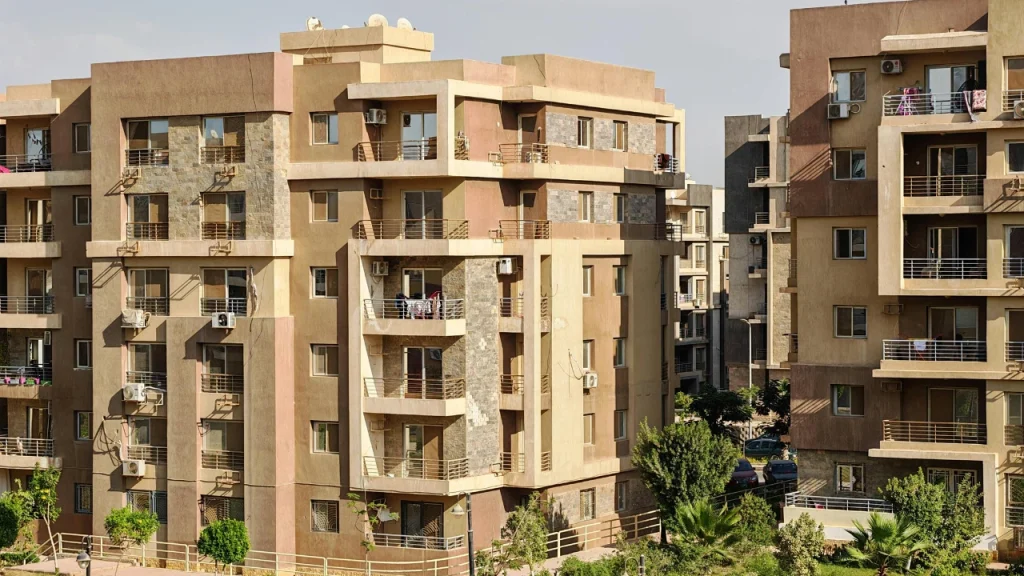
Landlords earning income from commercial properties are taxed under the annual income tax regime.
Rental income in this category is combined with other income sources (if any) and taxed at the prevailing corporate rate of 30% or individual graduated rates.
Allowable Deductions (Section 15, ITA)
Unlike MRI, landlords under the annual regime can deduct expenses incurred in generating rental income, including:
- Land rent and rates
- Repairs and maintenance (not leading to increased rent)
- Insurance premiums
- Loan interest on property financing
- Agent fees and commissions
- Salaries for caretakers or property staff
- Advertising costs to attract tenants
- Utilities paid by the landlord under lease terms
- Legal fees related to debt collection or property defense
Non-allowable expenses include:
- Private or personal costs
- Structural extensions that increase property value
- Expenses incurred before the property was let (except limited preparatory costs)
In addition, commercial property rental income may attract VAT under the VAT Act, 2013 if the annual gross rent exceeds KShs. 5 million.

Penalties for Non-Compliance
Late filing or non-payment of rental income tax attracts penalties under the Tax Procedures Act (TPA), 2015:
| Type of Penalty | Individual Landlord | Company/Body Corporate |
|---|---|---|
| Late filing | KShs. 2,000 or 5% of tax due (whichever is higher) | KShs. 20,000 or 5% of tax due (whichever is higher) |
| Late payment | 5% of tax due | 5% of tax due |
| Interest | 1% per month or part thereof | 1% per month or part thereof |
To avoid penalties, ensure timely filing and remittance through iTax.
Registration and Payment Process
Step 1: Register your property on iTax under the “Register Property Details” section.
Step 2: File your monthly MRI return under the “Income Tax – Rental Income” tab.
Step 3: Generate a payment slip under the “New Payment Registration” option and pay through mobile money, bank, or online banking using your Payment Registration Number (PRN).
7. Key Takeaways for Landlords
- MRI applies only to residential rental income between KShs. 288,000 and KShs. 15 million per year.
- The tax rate is 7.5% of gross rent—final and non-deductible.
- Commercial property income falls under the annual tax regime, allowing expense deductions.
- Timely filing and accurate reporting help avoid penalties and maintain compliance.
Eliacc’s Advisory
At Eliacc Consultants, we help landlords and property investors:
- Register and file their rental income tax correctly,
- Determine the most tax-efficient regime (MRI vs. Annual),
- Maintain proper records to support allowable deductions, and
- Stay compliant with evolving KRA requirements.
Whether you manage one unit or multiple developments, Eliacc provides personalized tax guidance to help you stay compliant while optimizing returns.
Eliacc – Simplifying Tax, Empowering Compliance.