
The recent assent by William Ruto to the Miscellaneous Fees and Levies (Amendment) Act, 2026 represents a significant policy shift in the way Kenya finances long-term infrastructure. Alongside the enactment of the Coffee Act, 2023 (Mediated Version) and the Meteorology Act, 2023, the amendment introduces structural changes to the governance and application of the Railway Development Levy (RDL), a charge that has been a critical component of Kenya’s fiscal framework for infrastructure development.
For taxpayers, importers, and investors, the amendment signals an evolution in how levies are utilized within Kenya’s public finance architecture. The law expands the functional scope of the levy, introduces new governance mechanisms, and aligns infrastructure funding with broader economic development objectives.
Background and Policy Context
Kenya introduced the Railway Development Levy as a dedicated infrastructure charge on imported goods to finance the construction of the Standard Gauge Railway. The levy has historically been imposed on the customs value of imports and collected at the point of importation. While its original justification was tied specifically to the financing of the Standard Gauge Railway corridor, the evolving demands of national logistics infrastructure have required a more flexible financing model.
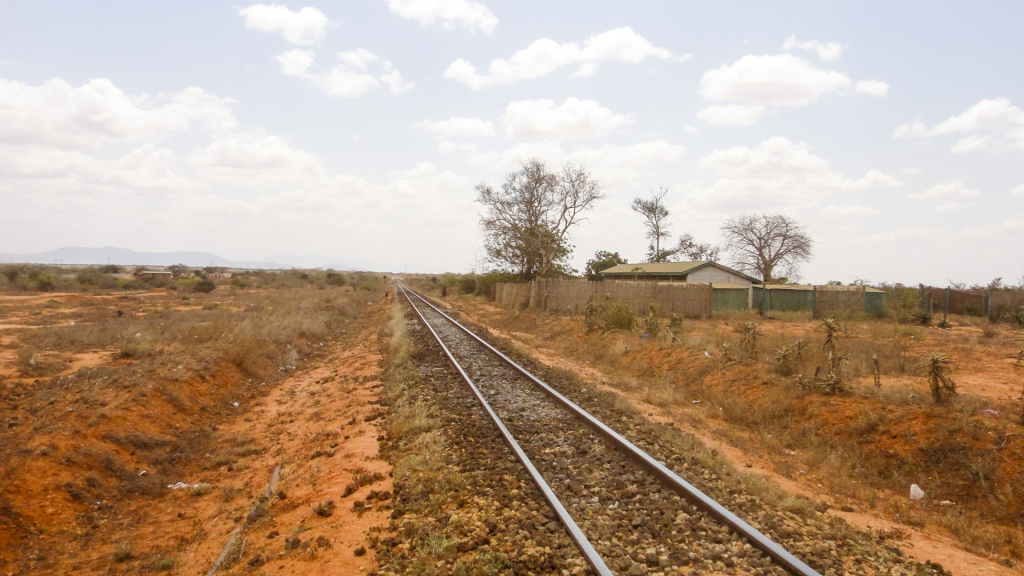
The passage of the Miscellaneous Fees and Levies (Amendment) Act, 2026 reflects the government’s recognition that the country’s transport infrastructure needs extend beyond a single railway project. The amendment effectively repositions the levy from a project-specific charge to a broader infrastructure financing mechanism capable of supporting expansion, modernization, and maintenance of railway networks across the country.
In practical terms, the amendment enables the levy to fund wider railway development initiatives rather than being confined solely to the Standard Gauge Railway. This legislative shift aligns with the government’s long-term infrastructure strategy aimed at strengthening Kenya’s position as a regional logistics and trade hub within East Africa.
Objectives of the Amendment
From a policy perspective, the amendment pursues several interrelated objectives.
First, the government seeks to establish a sustainable and predictable funding stream for railway infrastructure development. Infrastructure financing has historically been dependent on external borrowing, development finance, or budgetary allocations. By expanding the scope of the Railway Development Levy, the state creates a recurring domestic revenue source capable of supporting long-term infrastructure planning.
Second, the amendment introduces improved governance mechanisms for the management of levy funds. A key institutional development under the law is the creation of a Railway Development Fund Board tasked with administering and overseeing the utilization of funds generated from the levy. This institutional framework is intended to strengthen transparency, accountability, and operational efficiency in the deployment of infrastructure funds.
Third, the amendment seeks to align infrastructure financing with Kenya’s broader economic development agenda. Efficient railway systems reduce the cost of transporting goods, improve supply chain reliability, and enhance the competitiveness of Kenyan exports. By strengthening financing mechanisms for rail development, the government aims to support industrial growth, regional trade integration, and logistics efficiency.
Implications for Taxpayers and Importers
For taxpayers—particularly importers and businesses that rely heavily on imported inputs—the amendment signals the continued relevance of the Railway Development Levy within Kenya’s tax and customs landscape.
Since the levy is imposed at the importation stage, it directly affects the landed cost of goods entering the country. Import-dependent sectors such as manufacturing, retail, construction, and industrial supply chains will continue to factor the levy into their cost structures. As a result, businesses may experience sustained pressure on margins where import costs represent a significant component of operating expenditure.
However, the long-term policy rationale behind the levy is tied to infrastructure improvements that may ultimately reduce logistics costs. Efficient rail transport can lower freight costs, reduce road congestion, and improve cargo movement between ports, industrial zones, and inland markets. If effectively implemented, the infrastructure financed by the levy could offset part of the cost burden currently borne by businesses through improved operational efficiency.
Another important implication relates to transparency in public revenue utilization. Historically, infrastructure levies have attracted scrutiny regarding the management and allocation of funds. The establishment of a Railway Development Fund Board introduces an institutional oversight structure that could strengthen public confidence in the administration of the levy.
Also Read: New NSSF Rates – Effective from February 2026
Impact on Investors and the Business Environment
For investors evaluating opportunities within Kenya, the amendment has implications that extend beyond taxation.
First, the law signals the government’s continued prioritization of transport infrastructure as a catalyst for economic growth. Reliable railway systems are essential for large-scale industrial development, particularly in sectors such as manufacturing, agriculture, and extractive industries that depend on efficient logistics networks.
Second, the expansion of railway financing may create opportunities for private sector participation in infrastructure projects, logistics services, and supply chain development. Investors in freight services, dry ports, logistics parks, and industrial corridors may benefit from improved rail connectivity and enhanced cargo movement across the country.
Third, infrastructure development has a multiplier effect on regional trade integration. Kenya plays a strategic role as the gateway for imports and exports within the East African region. Strengthening railway infrastructure improves connectivity between the Port of Mombasa and inland markets in Kenya, Uganda, Rwanda, and the Democratic Republic of Congo. This enhances Kenya’s competitiveness as a regional logistics hub and creates opportunities for businesses involved in cross-border trade.
Sectoral Implications and Economic Considerations
From a macroeconomic perspective, the amendment reflects the government’s reliance on targeted levies to finance strategic development initiatives. This approach allows infrastructure projects to be funded through dedicated revenue streams rather than solely through general taxation or external borrowing.
At the same time, policymakers must carefully balance revenue generation with the cost burden imposed on businesses. Levies applied to imports can influence pricing structures, inflationary pressures, and competitiveness in sectors that depend on international supply chains.
The effectiveness of the amendment will therefore depend largely on the transparency, efficiency, and economic impact of the infrastructure projects financed through the levy. Businesses and investors will closely monitor whether the expanded funding framework translates into tangible improvements in transport networks and logistics efficiency.
Strategic Considerations for Businesses
Businesses operating in Kenya should evaluate the implications of the amendment within the broader context of tax planning and supply chain management.
Companies involved in importation should review their cost models to ensure that the Railway Development Levy is appropriately incorporated into landed cost calculations and pricing strategies. For manufacturers and distributors, understanding the cumulative impact of import-related levies is critical for maintaining profitability and competitiveness.
In addition, businesses with significant logistics requirements should monitor developments in railway infrastructure, as expanded rail networks could create opportunities for more cost-efficient freight transport.
For investors and multinational enterprises considering entry into the Kenyan market, the amendment provides insight into the government’s infrastructure financing priorities and long-term development strategy. Infrastructure-driven growth often creates new opportunities across logistics, manufacturing, and agribusiness sectors.
Conclusion
The enactment of the Miscellaneous Fees and Levies (Amendment) Act, 2026 represents a strategic recalibration of Kenya’s infrastructure financing framework. By expanding the scope of the Railway Development Levy and introducing stronger governance mechanisms for its administration, the government seeks to create a sustainable model for funding railway development while supporting broader economic objectives.
For taxpayers and businesses, the amendment reinforces the importance of understanding how sector-specific levies interact with operational costs and investment decisions. For investors, it signals the government’s continued commitment to infrastructure development as a driver of economic growth and regional trade competitiveness.
Regulatory changes such as the Miscellaneous Fees and Levies amendment can materially affect import costs, tax exposure, and long-term investment decisions. Businesses that proactively assess these developments are better positioned to manage compliance obligations and identify strategic opportunities.
At Eliacc Advisory, we assist businesses, investors, and multinational groups in interpreting legislative changes, assessing their tax implications, and aligning operational strategies with Kenya’s evolving regulatory environment.
If your business imports goods, operates within regional supply chains, or is evaluating investment opportunities in Kenya, our advisory team can provide tailored guidance to help you navigate the implications of these reforms.
Contact Eliacc Advisory today to discuss how these legislative changes may affect your business and how best to position yourself for compliance and growth.